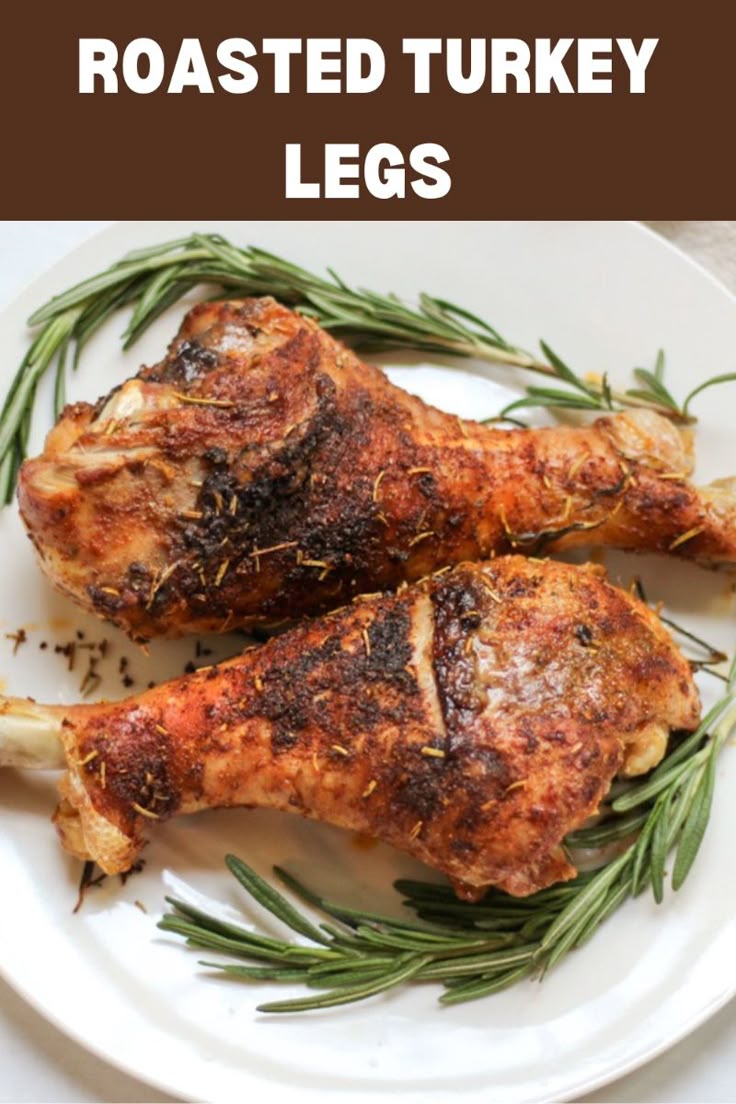
Unlock the Secret to Succulent Roasted Turkey Legs with Irresistibly Crispy Skin
Imagine biting into a turkey leg where the skin shatters with a satisfying crunch, revealing unbelievably tender, juicy meat within. This isn't just a holiday dream; it's an achievable reality with our perfected method for
roasted turkey legs. Whether you're planning an intimate Thanksgiving feast, a special weeknight dinner, or simply prefer the rich, flavorful dark meat, mastering the art of the turkey leg is a game-changer. Forget the stress of roasting a whole bird and the common dilemma of dry white meat; focusing on individual turkey legs offers a more controlled, consistently delicious outcome.
Why Choose Roasted Turkey Legs Over a Whole Bird?
The tradition of roasting an entire turkey for holidays is iconic, but it comes with its challenges. One of the most common issues is the delicate balance of cooking times for white and dark meat. By the time the dark meat, with its higher fat content and connective tissue, reaches optimal tenderness, the lean white meat often becomes notoriously dry. This is where
roasted turkey legs shine.
Opting for turkey parts, such as legs, breasts, or wings, provides several distinct advantages:
*
Perfect Doneness Every Time: You can cook each part to its ideal temperature, ensuring maximum juiciness and flavor. Dark meat, like that found in turkey legs, benefits from cooking to a slightly higher temperature than white meat for ultimate tenderness.
*
Reduced Cooking Time: A whole turkey takes hours, but individual legs cook significantly faster, making them an excellent choice for
easy roasted turkey legs, from weeknight dinner to holiday table, or smaller gatherings.
*
Customizable Preferences: If your family predominantly prefers dark meat, roasting only legs means less waste and more of what everyone loves.
*
Less Stress, More Flavor: This method simplifies meal preparation, allowing you to focus on developing deep, rich flavors without the complexity of managing a large bird.
For those who cherish the rich, robust flavor and succulent texture of dark meat,
roasted turkey legs are not just a convenient alternative, but a culinary highlight in their own right. They stand proudly as a substantial, satisfying meal for any occasion.
The Art of the Perfect Roast: Temperature, Timing, and Technique
Achieving that coveted crispy skin and fall-off-the-bone tenderness is less about magic and more about precision. Our method leverages high heat for optimal results, ensuring a beautifully browned exterior and a moist interior.
Preparing Your Turkey Legs for Roasting
Before they hit the oven, proper preparation is key. We recommend skipping butter, which can sometimes lead to a less crispy skin or uneven browning. Instead, opt for a light coating of avocado oil spray. Avocado oil has a high smoke point, which is ideal for high-heat roasting, and helps the skin crisp up beautifully while keeping your seasonings moist and preventing them from burning.
Once coated, season generously. A simple blend of salt, freshly ground black pepper, garlic powder, onion powder, and paprika works wonders. For an extra layer of flavor, consider adding dried rosemary, thyme, or sage. Place your seasoned turkey legs on a roasting rack set over a baking sheet. This allows for even air circulation, crucial for crispy skin. Give the tops another quick spray of avocado oil to further secure the spices and promote browning.
Mastering the Roasting Process: High Heat vs. Slow Roast
We've tested various methods over the years, and for most turkey legs, a relatively quick roast at a high temperature yields the best results: truly crispy, well-browned skin, and incredibly juicy, succulent meat.
*
High-Heat Method (450°F): Preheat your oven to a scorching 450°F (232°C). Roast the turkey legs uncovered for an initial 15 minutes. This high heat jumpstarts the browning process and helps render the fat under the skin. After 15 minutes, loosely cover the legs with foil to prevent over-browning while allowing them to continue cooking through.
*
Slow Roast Alternative (350°F): If you’re working with exceptionally large turkey legs, around a pound each, an alternative is a slower roast at 350°F (175°C). Bake them for at least 90 minutes, potentially up to two hours. For this method, observe the skin closely; once the tops are deeply browned (typically after 60-75 minutes, depending on your oven), loosely cover them with foil to prevent burning. This ensures the meat cooks thoroughly without charring the skin.
Timing Is Everything: Roasting Duration by Size
The exact roasting time will depend on the size of your turkey legs. A good meat thermometer is your best friend here. Always test for doneness by inserting the thermometer into the thickest part of the meat, avoiding the bone.
*
10-ounce (approx. 280g) legs: After the initial 15 minutes uncovered, roast covered for about 30 minutes.
*
12-14 ounce (approx. 340-400g) legs: Expect around 40 minutes of covered roasting after the initial 15.
*
16-ounce (approx. 450g) legs: These will typically require 45-50 minutes of covered roasting.
*
1-pound (approx. 450g) legs (slow roast method): 90-120 minutes total, covering with foil after 60-75 minutes.
Achieving Optimal Doneness and Tender Meat
While the minimum safe internal temperature for poultry is 165°F (74°C), turkey legs – being dark meat rich in connective tissue and fat – truly shine when cooked to a slightly higher temperature. Aim for 175-180°F (79-82°C) for the most tender, flavorful, and succulent results. At this temperature, the connective tissues begin to break down, transforming the meat into a melt-in-your-mouth experience.
After roasting, don't rush to cut into your delicious creation. The secret to maximizing juiciness is to let the
roasted turkey legs rest for at least 10-15 minutes. This allows the internal temperature to climb a bit further (carryover cooking) and, more importantly, gives the juices time to redistribute throughout the meat. Cutting into it too soon will cause those precious juices to run out, leaving you with less flavorful meat.
Beyond the Basics: Enhancing Flavor and Maximizing Your Roast
Once you’ve mastered the fundamental technique for crispy skin and tender meat, there are countless ways to elevate your
juicy roasted turkey legs, perfect for small Thanksgiving feasts and beyond.
Layering Flavors with Herbs and Aromatics
Beyond the standard salt and pepper, consider infusing your turkey legs with more complex flavors. Before roasting, you can gently separate the skin from the meat and tuck fresh herb sprigs like rosemary, thyme, or sage directly onto the meat. Sliced garlic cloves or even a thin layer of an herbed butter (applied under the skin, not on top) can impart incredible depth. A pinch of smoked paprika or a dash of cayenne pepper can add a subtle warmth and a beautiful hue to the skin.
Make the Most of Your Pan Drippings
The juices and rendered fat collected in the baking sheet during roasting are liquid gold. This flavorful "cuvée" of turkey fat, infused with all the herbs and seasonings, is too good to waste. Once cooled, you can strain and store this fat in an airtight container in the refrigerator. It's fantastic for roasting vegetables, making gravies, or even sautéing other meats. It will keep for several weeks, adding a rich, savory depth to countless dishes.
Serving Suggestions for Your Masterpiece
Roasted turkey legs are incredibly versatile. For a holiday meal, pair them with classic sides like creamy mashed potatoes, savory stuffing, green bean casserole, and cranberry sauce. For a simpler weeknight dinner, they’re excellent with roasted root vegetables, a crisp green salad, or wild rice. Don’t forget a drizzle of simple pan gravy made from the drippings for an extra touch of indulgence.
By paying attention to these details – from proper oil application to internal temperature and resting – you'll consistently achieve succulent, flavorful
roasted turkey legs that will impress even the most discerning palates. So, next time you crave that rich, dark meat goodness, skip the whole bird and let the turkey legs take center stage. You won't regret it!