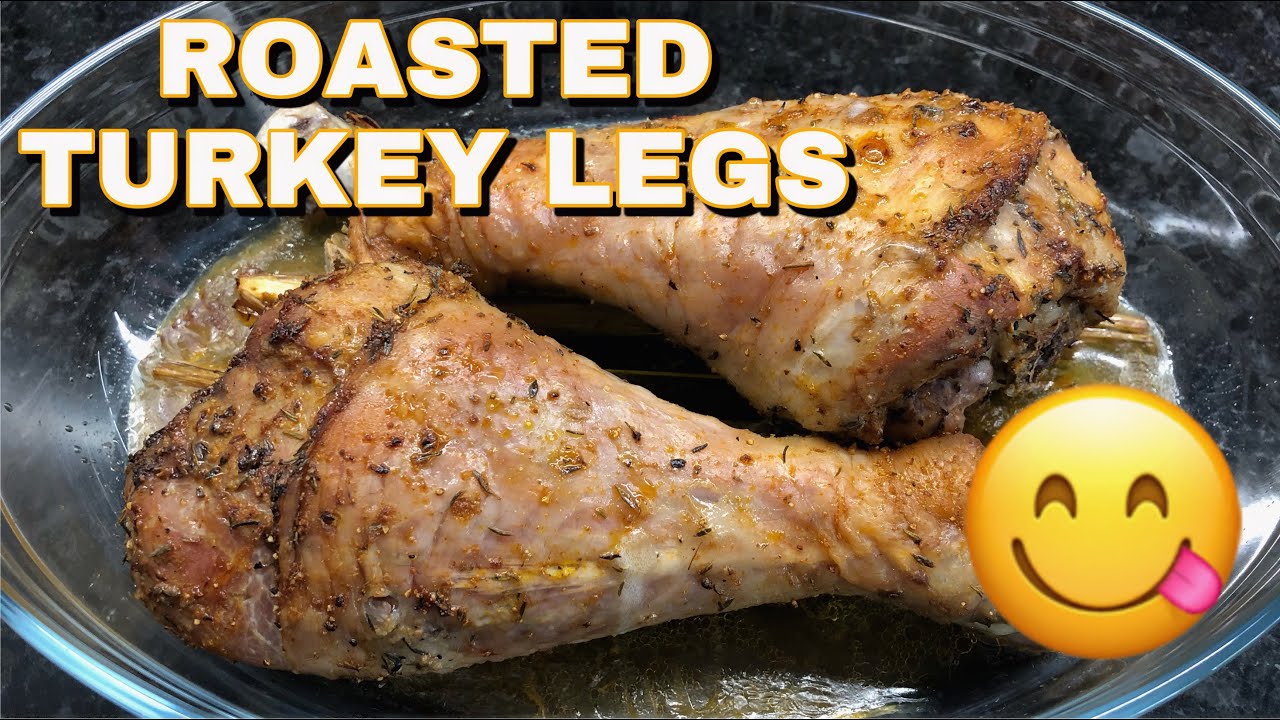
Forget the myth that turkey is solely for holiday feasts! While a whole roasted turkey certainly has its place, the often-overlooked roasted turkey legs offer a world of culinary convenience and deliciousness perfect for any occasion. From a simple weeknight dinner to a smaller, intimate holiday gathering, mastering the art of cooking turkey legs will open up a versatile and flavorful option in your kitchen repertoire.
Many home cooks shy away from roasting a whole turkey due to the commitment of time, the challenge of even cooking (hello, dry white meat!), or simply because they're feeding a smaller crowd. This is where turkey legs shine. They cook faster, are inherently juicy, and allow you to focus on achieving that coveted crispy skin and tender, succulent dark meat without the fuss of an entire bird.
Why Choose Roasted Turkey Legs? More Than Just a Holiday Treat
The appeal of roasted turkey legs extends far beyond Thanksgiving or Christmas. Here's why they deserve a permanent spot on your meal plan:
- Perfect for Smaller Gatherings: If your holiday table is shrinking, or you simply prefer not to deal with a large bird, turkey legs provide all the festive flavor without the overwhelming scale.
- Say Goodbye to Dry White Meat: A common challenge with whole turkeys is that the breast meat tends to dry out by the time the dark meat is fully cooked. Roasting legs separately eliminates this issue, allowing each part to cook to its optimal tenderness.
- Shorter Roasting Time: A significant advantage for busy weeknights! Turkey legs cook considerably faster than a whole turkey, making a gourmet-quality meal achievable even on a tight schedule.
- Rich, Flavorful Dark Meat: Turkey legs are packed with natural juiciness and a more robust flavor profile compared to white meat, making them a favorite for many.
- Cost-Effective and Convenient: Often available at a good price, turkey legs are easy to find and prepare, offering a delicious and economical protein source.
Mastering the Art of Perfectly Roasted Turkey Legs: High Heat vs. Slow Roast
The secret to exceptional roasted turkey legs lies in understanding the cooking temperatures and methods. Whether you prioritize speed or supreme tenderness, there’s a technique for you.
The Golden Rule: High Heat for Crispy Skin and Juicy Meat
For most turkey legs, especially those of medium size (10-14 ounces), a high-heat method (450°F) delivers the best balance of ultra-crispy, well-browned skin and succulent, moist meat. This is often the preferred technique for achieving that classic, irresistible texture.
- Preparation is Key: Begin by patting your turkey legs thoroughly dry. This is crucial for achieving crispy skin. A light coating of a neutral oil like avocado oil spray not only aids in browning but also helps keep your chosen seasonings moist and prevents them from burning in the hot oven. Sprinkle generously with your favorite herbs and spices—garlic powder, paprika, dried rosemary, thyme, salt, and black pepper are excellent choices.
- Initial Uncovered Roast: Place the seasoned turkey legs on a roasting rack set inside a pan. Roast them uncovered at 450°F for about 15 minutes. This initial burst of high heat is vital for rendering fat and kickstarting the browning process, leading to that gorgeous, golden-brown skin.
- Cover and Continue: After 15 minutes, loosely cover the turkey legs with foil. This traps steam, ensuring the meat stays incredibly juicy while continuing to cook through without the skin becoming too dark. Continue roasting until they reach the desired internal temperature.
To truly Master Crispy Skin & Tender Meat with Our Turkey Legs Recipe, consistent oven temperature and accurate timing are your allies.
The Alternative: Slow Roasting for Larger Legs (350°F)
For truly enormous turkey legs, those weighing around a pound or more, a slower roasting method at 350°F can be an excellent alternative. While it takes longer, it yields exceptionally tender meat, especially good for breaking down more connective tissue.
- Long and Slow: Roast the seasoned turkey legs at 350°F for at least 90 minutes, and potentially up to two hours, depending on their size.
- Browning First: Allow them to roast uncovered for the initial 60-75 minutes until the tops are deeply browned.
- Cover for Tenderness: Once well-browned, loosely cover with foil to finish cooking without over-browning the skin, ensuring the meat becomes meltingly tender. This method is also fantastic if you're infusing the legs with copious amounts of garlic, herbs, and olive oil, as the lower temperature allows these flavors to meld beautifully. As Alison Roman wisely notes, the leftover infused fat from such a slow roast can be a culinary treasure in itself, lasting for months in the fridge and perfect for future cooking.
Essential Tips for Succulent Roasted Turkey Legs Every Time
Beyond the primary cooking methods, a few crucial details can elevate your roasted turkey legs from good to unforgettable.
Sizing Matters: Adjusting Roasting Times
Turkey legs vary in size, and adjusting your cooking time accordingly is key to perfection:
- 10-ounce pieces: After the initial 15 minutes uncovered, cover and roast for approximately 30 minutes more.
- 12-14-ounce pieces: After the initial 15 minutes uncovered, cover and roast for about 40 minutes more.
- 16-ounce (1-pound) pieces: After the initial 15 minutes uncovered, cover and roast for 45-50 minutes more (or opt for the slower 350°F method mentioned above).
These are guidelines; always use a meat thermometer to confirm doneness.
The Magic of Temperature Targets
While the USDA recommends a minimum internal temperature of 165°F for poultry, turkey legs, being dark meat with more connective tissue and fat, benefit from cooking to a slightly higher temperature. Aim for 175-180°F. This higher temperature allows the connective tissues to break down further, resulting in incredibly tender and flavorful meat without drying it out. Always insert your thermometer into the thickest part of the leg, ensuring it doesn't touch the bone.
The Power of Resting
Do not skip this step! Once your turkey legs are cooked through, remove them from the oven and let them rest, loosely tented with foil, for 5-10 minutes. Resting allows the juices to redistribute throughout the meat, preventing them from gushing out when you cut into it and ensuring every bite is moist and flavorful. It also allows the internal temperature to climb a few extra degrees.
Seasoning and Fat Application: Building Flavor
The seasoning on your roasted turkey legs is crucial. A simple blend of salt, black pepper, garlic powder, onion powder, and a mix of dried herbs like thyme, rosemary, and sage works wonders. For added depth, consider fresh minced garlic and herbs tucked under the skin or mixed with your oil. As for fat, avocado oil spray is a great choice as it has a high smoke point and provides an even coating. Alternatively, rubbing the legs with olive oil or even rendered duck or chicken fat before seasoning will help the spices adhere, enhance browning, and add rich flavor.
Following these tips will help you create Juicy Roasted Turkey Legs: Perfect for Small Thanksgiving Feasts, or any meal you desire.
Beyond the Basics: Flavor Enhancements and Serving Suggestions
Want to take your turkey legs to the next level? Consider a quick brine for extra juiciness, or experiment with rubs featuring smoked paprika, chili powder, or even a touch of brown sugar for a sweet and savory glaze. As for serving, the possibilities are endless:
- Classic Comfort: Serve with creamy mashed potatoes, a rich pan gravy made from the drippings, and your favorite roasted seasonal vegetables.
- Weeknight Ease: Pair with a simple green salad, quinoa, or rice for a wholesome and satisfying meal.
- Holiday Flair: Alongside stuffing, cranberry sauce, and sweet potato casserole, turkey legs fit perfectly into a traditional holiday spread, scaled for a smaller group.
- Leftover Love: Shred any leftover meat for delicious turkey sandwiches, tacos, salads, or a hearty soup.
Conclusion
Roasted turkey legs are a truly underrated culinary gem, offering incredible versatility, ease of preparation, and mouth-watering results. Whether you opt for a quick high-heat roast or a tender slow-bake, understanding the nuances of temperature, timing, and seasoning will empower you to create crispy-skinned, juicy turkey every time. So, next time you're planning a meal, remember that these flavorful drumsticks are not just for the holiday table; they're a perfect, convenient, and delicious choice for any day of the week.
