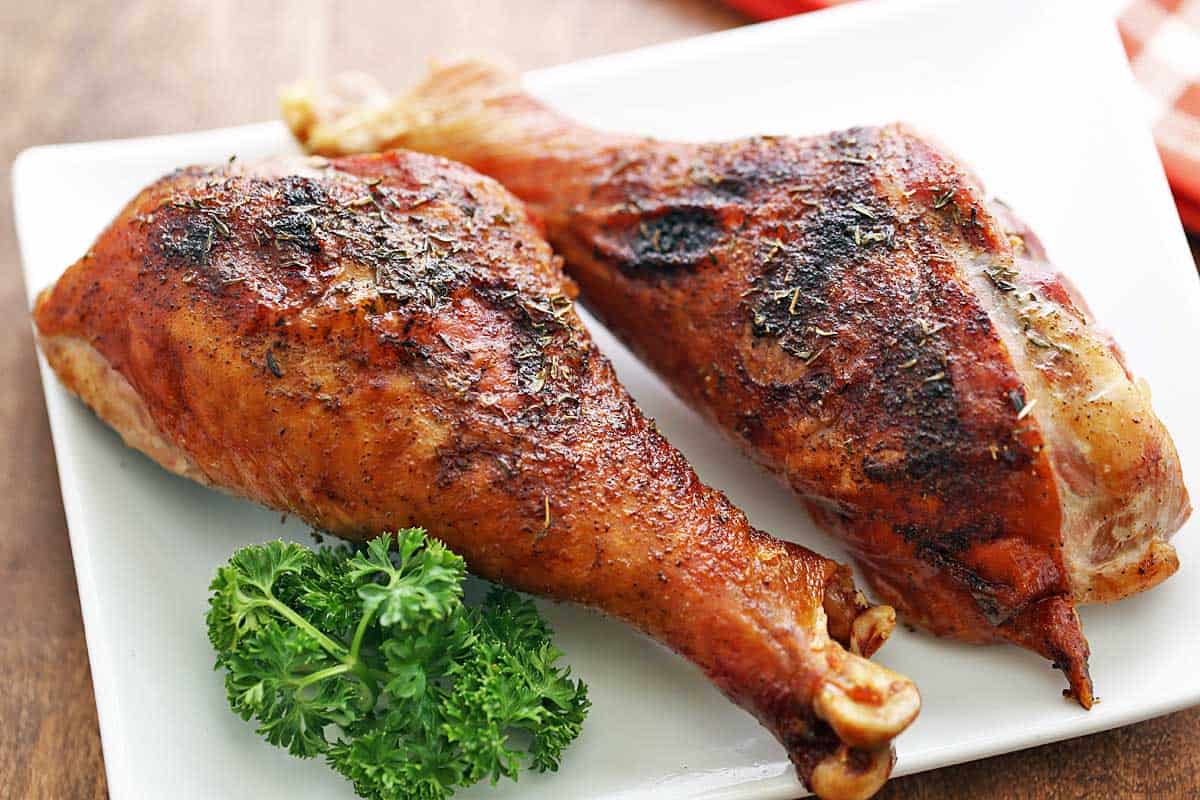
Juicy Roasted Turkey Legs: The Ultimate Solution for Small Thanksgiving Feasts
Thanksgiving is a time for gratitude, family, and, of course, incredible food. But what if your gathering is smaller this year? Or perhaps your family, like many, has strong preferences for a particular cut of turkey? Forgoing the monumental task of roasting a whole bird doesn't mean sacrificing tradition or flavor. Enter the unsung hero of poultry perfection: the roasted turkey leg. These succulent drumsticks offer all the rich, savory taste of a holiday turkey with none of the fuss, making them the ideal centerpiece for intimate feasts or a delicious addition to any meal. This comprehensive guide will show you how to achieve golden, crispy skin and incredibly juicy meat every time, ensuring your table is graced with a dish that's both manageable and magnificent.Why Choose Roasted Turkey Legs for Your Feast?
Opting for individual turkey parts, especially the beloved drumsticks, provides a host of advantages that a whole bird simply can't match. It’s a game-changer for anyone seeking a less stressful, more tailored culinary experience.- Perfect for Smaller Gatherings: Let's face it, not everyone needs or wants a 20-pound bird. Whether it's an intimate Thanksgiving dinner for two, a gathering of a few close friends, or simply a delicious weeknight meal, roasted turkey legs scale perfectly to your needs. You can roast just one, two, or a few without overwhelming your oven or your guest list.
- No More Dry White Meat Dilemmas: One of the most common pitfalls of roasting a whole turkey is the struggle to cook white and dark meat evenly. By the time the dark meat, with its higher fat and connective tissue content, is tender and cooked through, the leaner breast meat often becomes dry and stringy. Focusing solely on turkey legs eliminates this problem entirely, allowing you to achieve perfectly tender, juicy dark meat every single time.
- Shorter Roasting Times: A whole turkey can take hours in the oven, monopolizing your cooking space and demanding constant attention. Turkey legs, especially when cooked using optimal methods, require significantly less time, freeing you up to focus on delicious side dishes, enjoying your guests, or simply relaxing.
- Flavor Focus: Dark meat enthusiasts will rejoice! Turkey legs are celebrated for their rich, robust flavor and incredibly moist texture. Roasting them separately allows these qualities to shine, delivering a deeply satisfying experience without compromise.
From a quick weeknight dinner to the star of a memorable holiday table, the versatility of these drumsticks is unmatched. Whether you're planning a holiday feast or simply seeking an impressive weeknight meal, learn how to effortlessly prepare these drumsticks with our article: Easy Roasted Turkey Legs: From Weeknight Dinner to Holiday Table.
The Science of Succulence: Achieving Crispy Skin and Juicy Meat
The secret to truly outstanding roasted turkey legs lies in understanding the interplay of temperature, preparation, and technique. It’s a delicate balance that, once mastered, guarantees a show-stopping result.High-Heat vs. Low-and-Slow: Choosing Your Path
There are two primary schools of thought when it comes to roasting turkey legs, each with its merits:
- The High-Heat Method (450°F / 232°C): This is often the preferred approach for achieving that coveted, shattering crispy skin and incredibly juicy interior in the shortest amount of time. The intense initial heat rapidly renders the fat under the skin, crisping it beautifully, while the meat cooks quickly, retaining its moisture. This method is ideal for most medium-sized turkey legs (10-16 ounces).
- The Low-and-Slow Method (350°F / 177°C): For truly colossal turkey legs (around one pound or more), a slower roasting process can be beneficial. While it takes longer (up to two hours), the extended cooking time at a lower temperature allows the connective tissues in these larger cuts to break down more thoroughly, resulting in unbelievably tender meat. You'll still achieve beautiful browning, especially if you uncover them strategically.
Preparation is Key: Building a Flavorful Foundation
- Pat Them Dry: Before you even think about seasoning, ensure your turkey legs are as dry as possible. Use paper towels to thoroughly blot away any surface moisture. This is a critical step for achieving truly crispy skin. Moisture on the surface will steam the skin instead of crisping it.
- Oil, Not Butter: While butter has its place in cooking, for high-heat roasting of turkey legs, a high-smoke point oil like avocado oil is superior. It helps prevent spices from burning at high temperatures and promotes that gorgeous, even browning and crispiness without the risk of scorching. A light spray of oil ensures even coverage.
- Season Generously: Don't be shy with your seasonings! A robust blend of salt, black pepper, garlic powder, onion powder, paprika (smoked paprika adds a lovely depth), and your favorite herbs like dried thyme or rosemary works wonderfully. After coating the legs with oil, sprinkle your seasonings, then give them another light spray of oil to help the spices adhere and prevent them from drying out or burning in the hot oven.
The Strategic Use of Foil and Resting
- Initial Uncovered Roasting: Start your turkey legs uncovered to allow the skin to begin crisping and browning beautifully. This initial blast of heat is crucial for developing that desirable texture.
- Loosely Cover for Even Cooking: Once the skin has achieved a rich, golden-brown hue (usually after 15-20 minutes in a hot oven), loosely tent the turkey legs with foil. This helps to prevent the skin from burning while allowing the internal meat to cook through gently and evenly.
- The Crucial Rest: Once your turkey legs are cooked, resist the urge to carve immediately. Transfer them to a cutting board and loosely tent with foil for at least 10-15 minutes. This resting period allows the juices to redistribute throughout the meat, resulting in a significantly more tender and moist final product. Skipping this step often leads to dry, less flavorful meat.
Mastering Your Timing: A Guide to Perfectly Cooked Turkey Legs
Achieving perfectly cooked, juicy roasted turkey legs relies heavily on accurate timing, but also on knowing when to trust your instincts and, most importantly, your meat thermometer. Oven temperatures can vary, and turkey legs come in different sizes, so flexibility is key.General Roasting Guidelines (at 450°F / 232°C):
- 10-ounce Turkey Legs: Roast uncovered for approximately 15 minutes, then cover loosely with foil and continue roasting for about 30 minutes.
- 12-14 ounce Turkey Legs: Roast uncovered for approximately 15 minutes, then cover loosely with foil and continue roasting for about 40 minutes.
- 16-ounce Turkey Legs: Roast uncovered for approximately 15 minutes, then cover loosely with foil and continue roasting for about 45-50 minutes.
Alternative Method for Large Turkey Legs (around 1 pound or more, at 350°F / 177°C):
- Roast for at least 90 minutes and up to two hours. After 60-75 minutes (or once the tops are deeply browned), cover them loosely with foil to prevent scorching and allow the interior to cook through completely.
The Golden Rule: Use a Meat Thermometer
While these timings provide an excellent starting point, they are merely guidelines. The only way to guarantee perfectly cooked turkey legs is to use a reliable meat thermometer. Insert the thermometer into the thickest part of the leg, ensuring it does not touch the bone. Here’s what to look for:
- Minimum Doneness: The USDA recommends a minimum internal temperature of 165°F (74°C).
- Optimal Tenderness for Dark Meat: For dark meat like turkey legs, which contains more connective tissue and fat, cooking to a slightly higher temperature can actually enhance tenderness and flavor. Aim for an internal temperature of 175-180°F (79-82°C). At this temperature, the collagen breaks down beautifully, resulting in a more succulent, "fall-off-the-bone" texture without drying out.
Remember that the temperature will continue to climb a few degrees during the resting period, so pulling them from the oven just shy of your target temperature is a good strategy. For more detailed instructions on achieving that coveted golden skin and succulent interior, check out our guide on Master Crispy Skin & Tender Meat with Our Turkey Legs Recipe.
Beyond the Basics: Elevating Your Roasted Turkey Legs
While a simple salt, pepper, and herb rub yields fantastic results, there are many ways to enhance your roasted turkey legs and make them truly unforgettable.Experiment with Flavor Profiles:
- Herbaceous & Aromatic: Combine fresh rosemary, thyme, and sage with minced garlic, lemon zest, olive oil, salt, and pepper for a classic, fragrant profile.
- Smoky & Spicy: Create a rub with smoked paprika, chili powder, a pinch of cayenne pepper, cumin, garlic powder, brown sugar, salt, and pepper. The brown sugar will help create a beautiful, caramelized crust.
- Global Inspired: Explore rubs with garam masala for an Indian twist, or a blend of oregano, marjoram, and sumac for a Mediterranean flair.
Make the Most of Pan Drippings:
Do not discard the flavorful fat and juices left in the roasting pan! These drippings are pure gold. They are infused with the rich essence of turkey, herbs, and spices. You can:
- Make Gravy: This is the most obvious and delicious choice. Deglaze the pan with a little wine or broth, whisk in some flour or cornstarch slurry, and simmer until thickened for an incredible homemade gravy.
- Save for Future Cooking: Strain the fat and store it in the refrigerator. This "cuvée" of turkey-infused fat can be used for roasting vegetables, frying eggs, or sautéing greens, imparting a wonderful depth of flavor to your everyday cooking. It will last for several months.
Serving Suggestions: Completing the Feast
Whether for Thanksgiving or a regular dinner, roasted turkey legs pair beautifully with a variety of sides:
- Classic Thanksgiving Sides: Mashed potatoes, sweet potato casserole, green bean casserole, stuffing (or dressing), cranberry sauce, and rolls are natural companions.
- Roasted Vegetables: Brussels sprouts, carrots, parsnips, and potatoes roasted alongside or separately offer a healthy and flavorful contrast.
- Grain Dishes: Wild rice pilaf, quinoa salad, or even a simple couscous can make for a satisfying and complete meal.
- Fresh Salads: A light, crisp salad with a vinaigrette can cut through the richness of the dark meat.
